


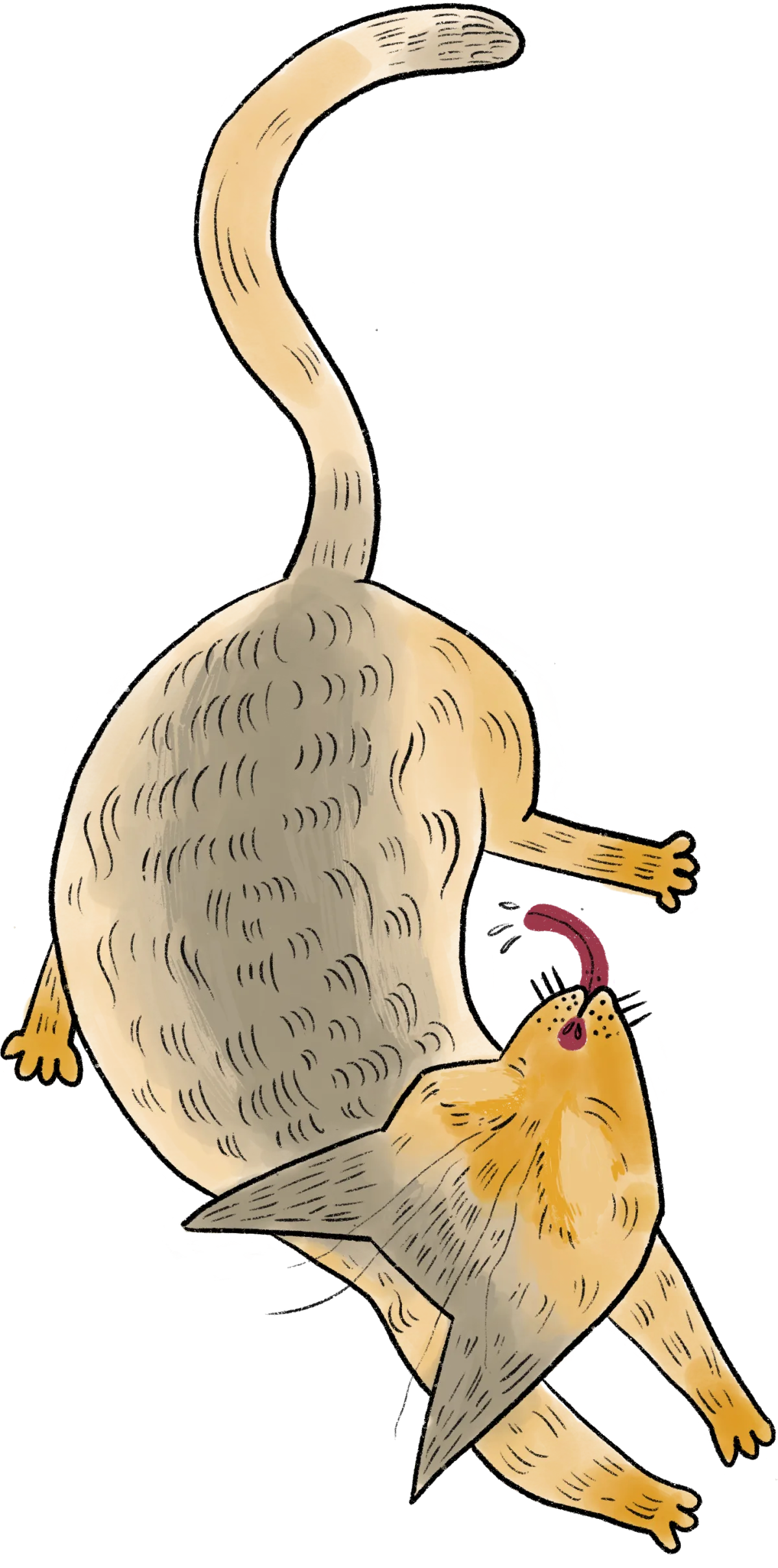
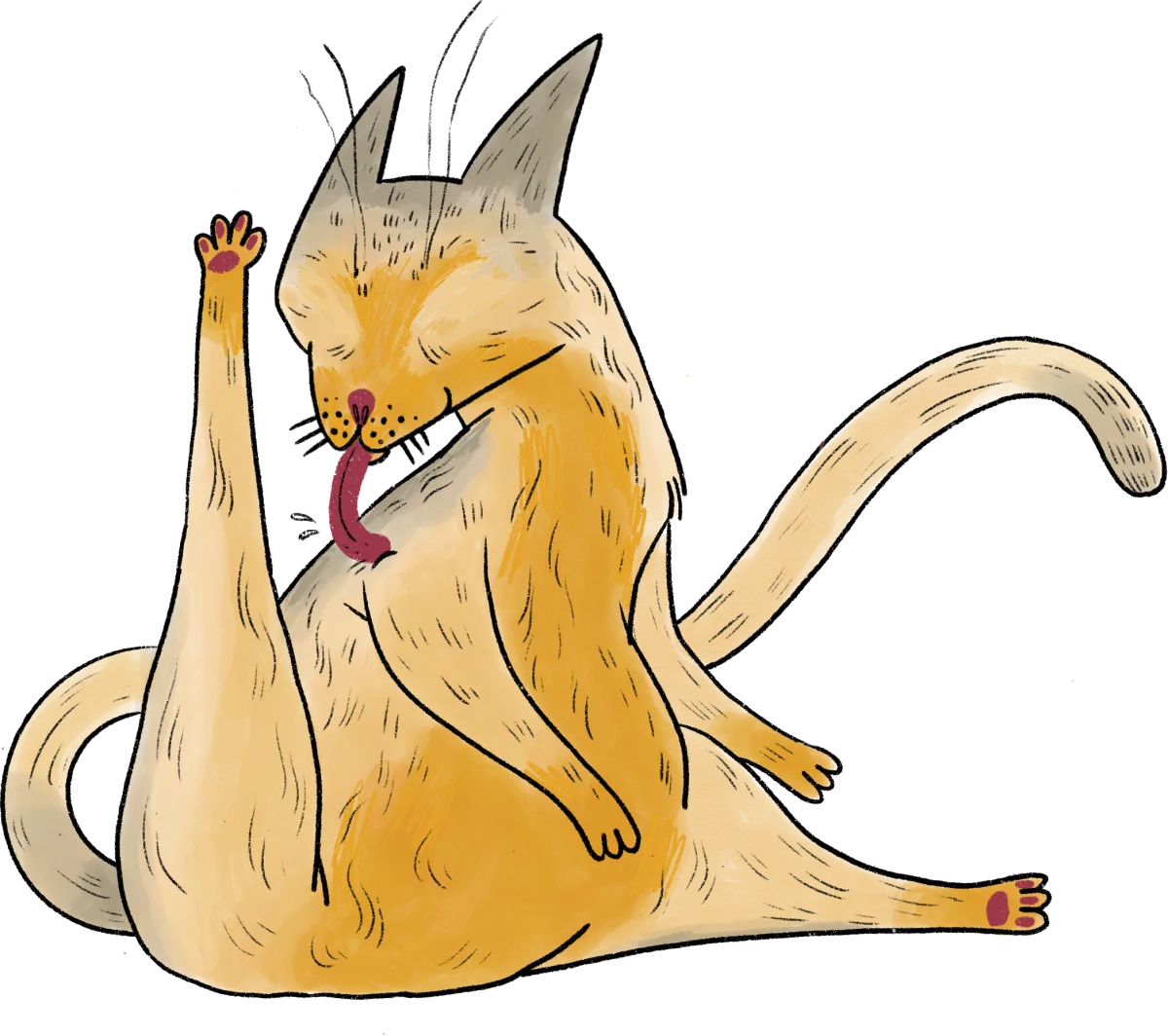
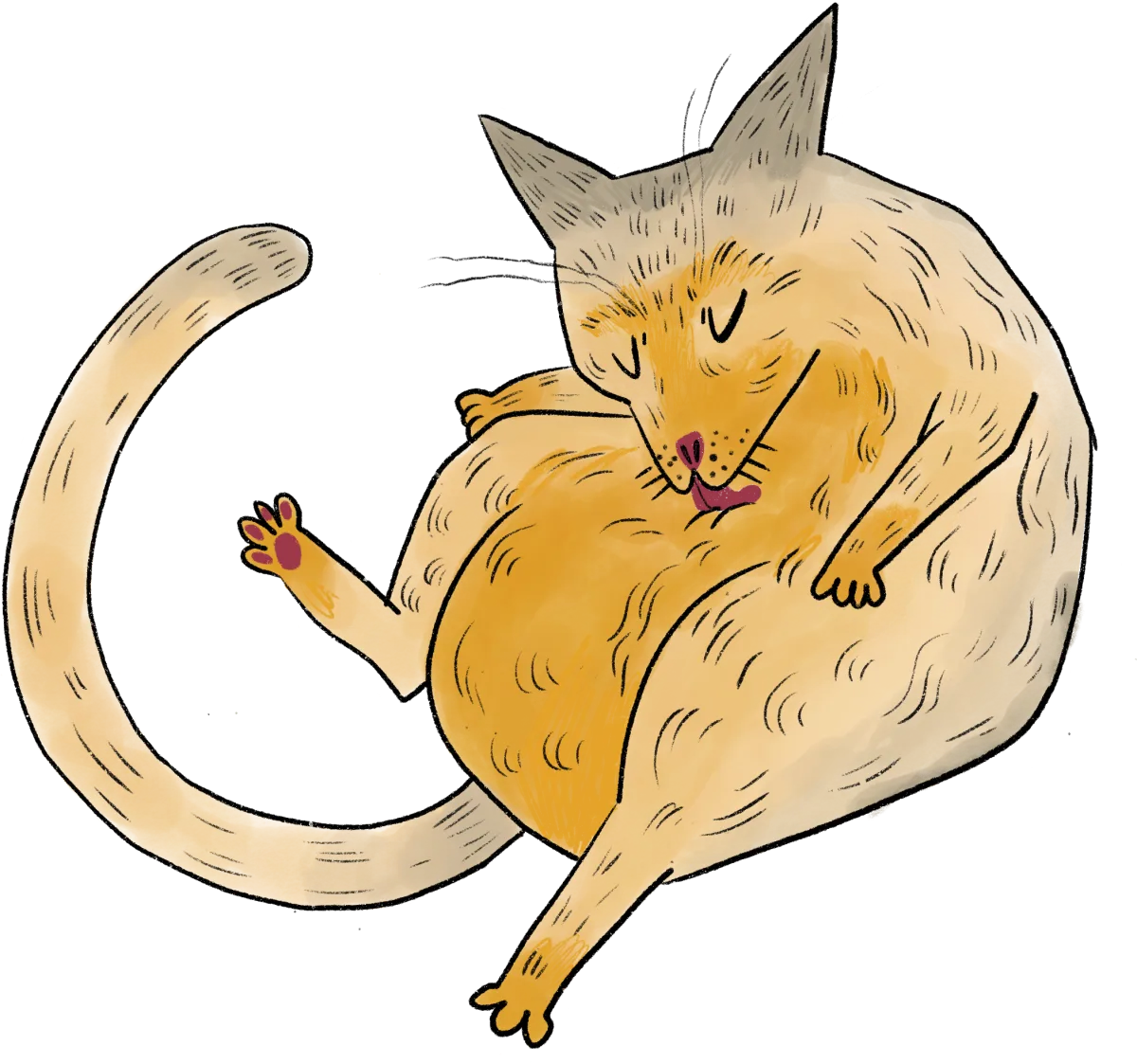
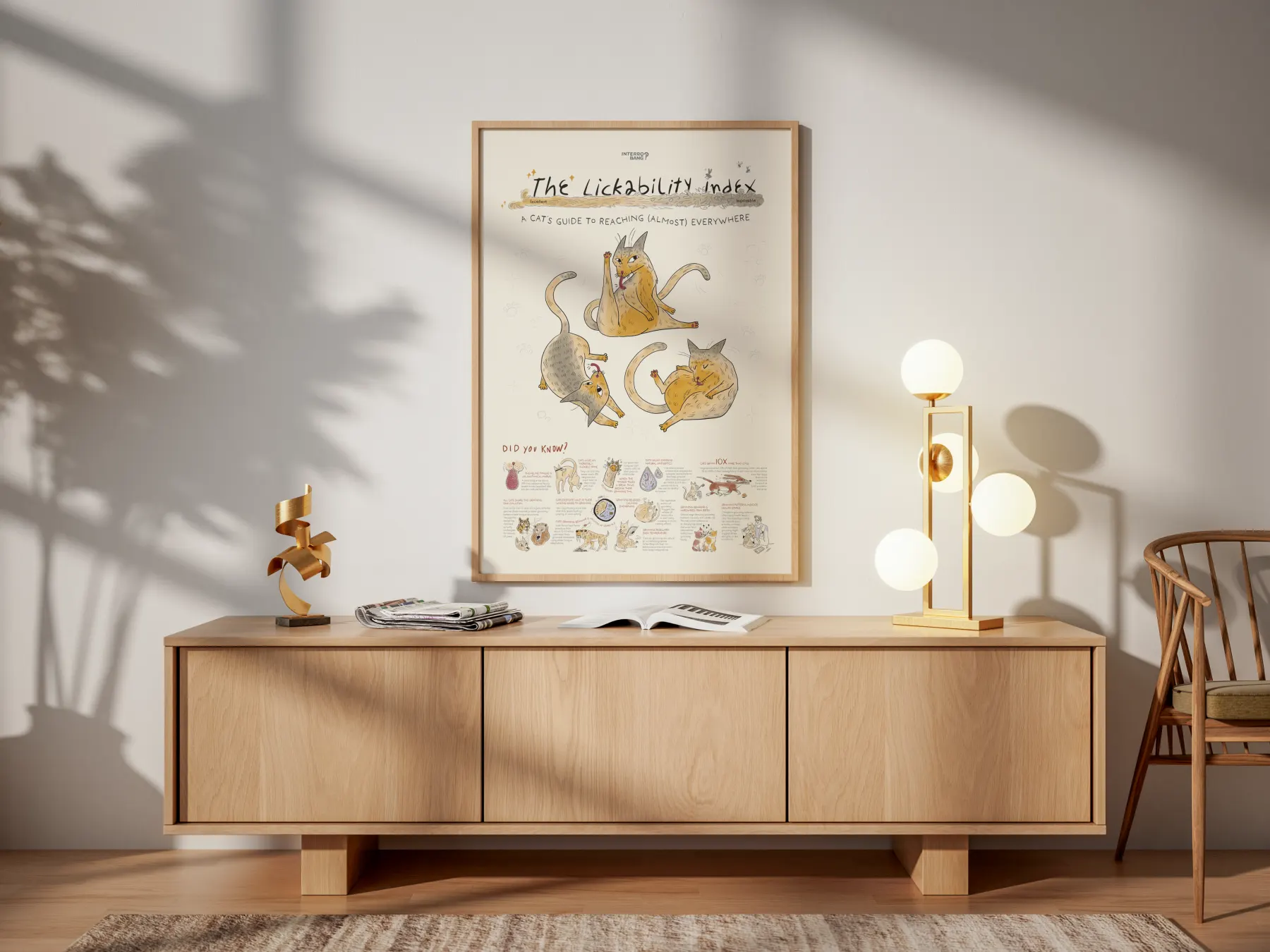
Three cats grooming themselves. Point at any part of a cat and the tongue on the scale above shows how easy that spot is to lick, from Excellent to Impossible.









 Move over the cats —
the tongue shows how easy that spot is to lick
Tap the cats — the tongue shows
how easy that spot is to lick

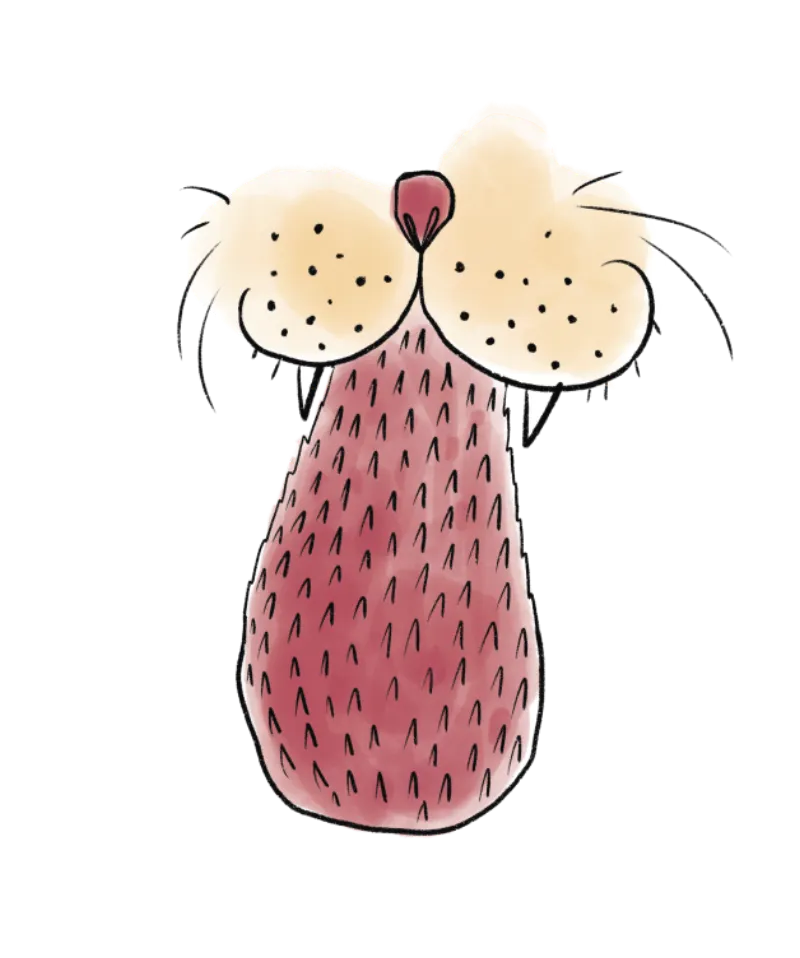
The feline tongue is an anatomical marvel
A cat’s tongue has about 300 tiny, backward-facing keratin hooks (papillae) that act like a natural hairbrush.
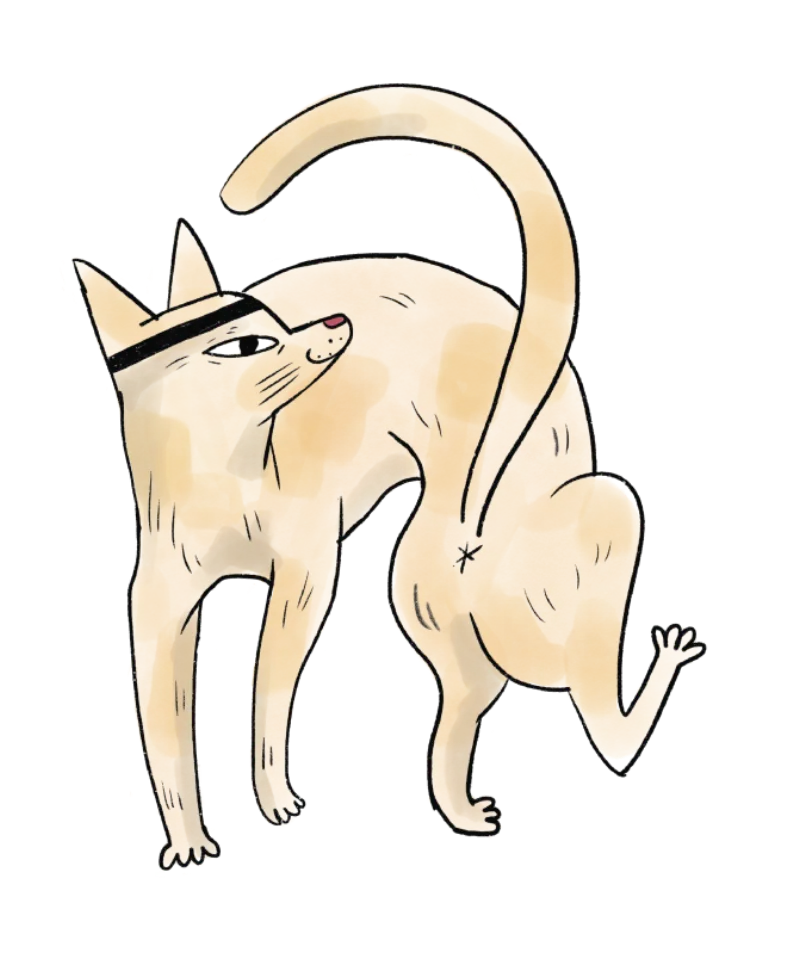
Cats have an incredibly flexible spine
They can turn their heads nearly 270 degrees and reach most of their body with their tongues.
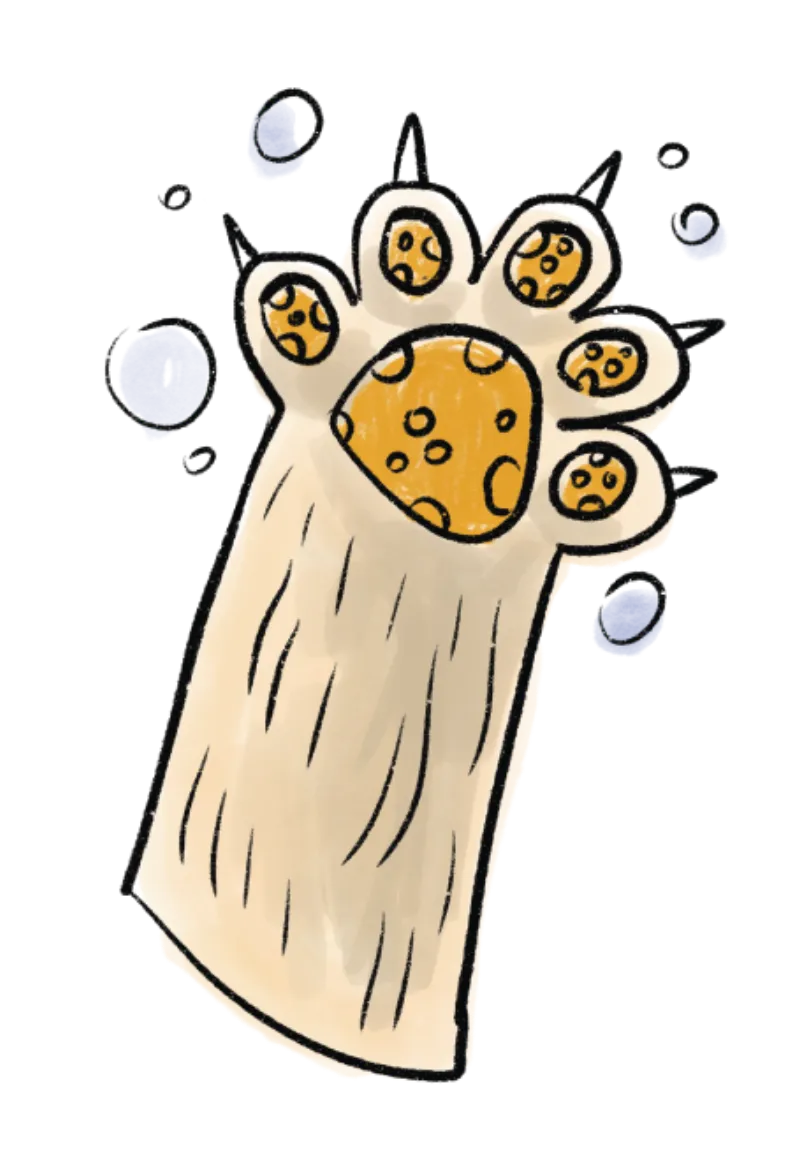
When the tongue takes a break… paws become their secondary grooming tool
For areas their tongues can’t reach, cats use their paws as washcloths.
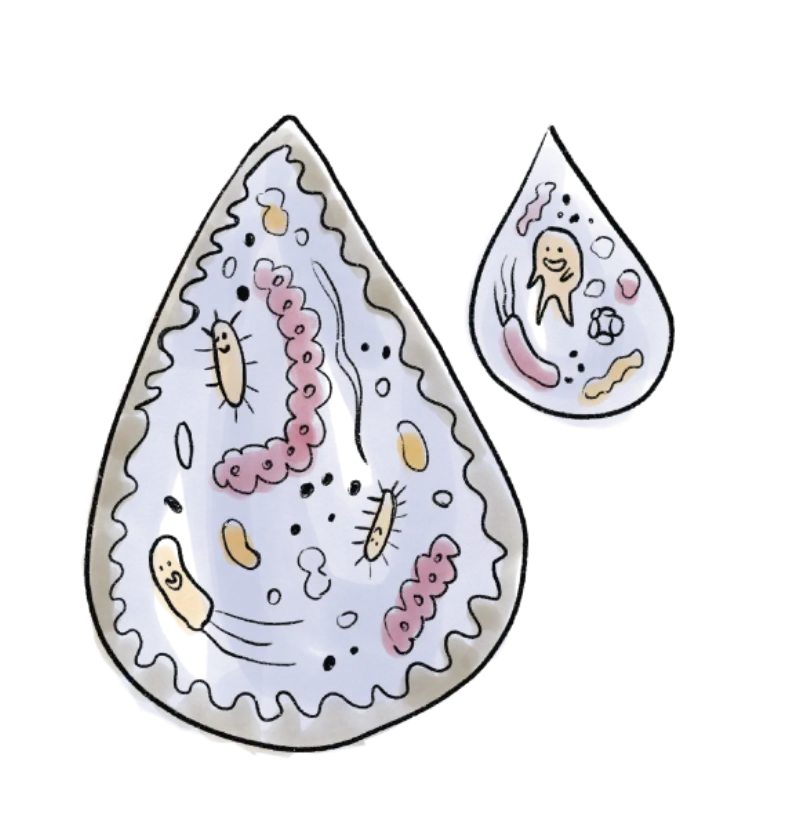
Cats’ saliva contains natural antiseptics
Cat saliva contains antimicrobial enzymes like lysozyme and lactoferrin that help prevent infections and support skin health, but it also carries bacteria that can be harmful to humans.
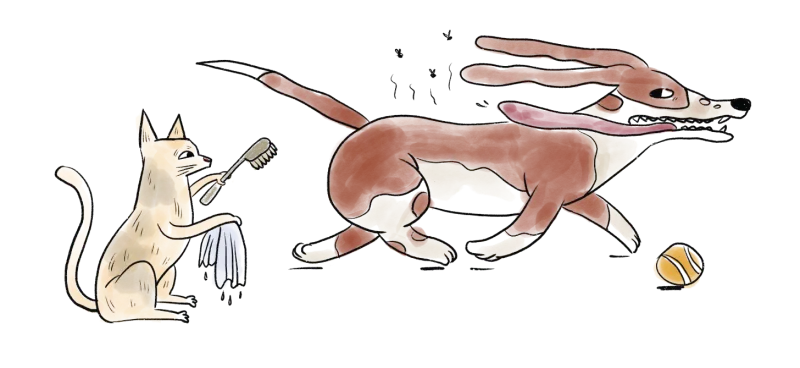
Cats groom 10x more than dogs
Dogs spend about 5% of their time grooming, while cats spend 30 to 50% of their waking hours on self-care — an evolutionary trait that helps them avoid detection by scent as both predator and prey.
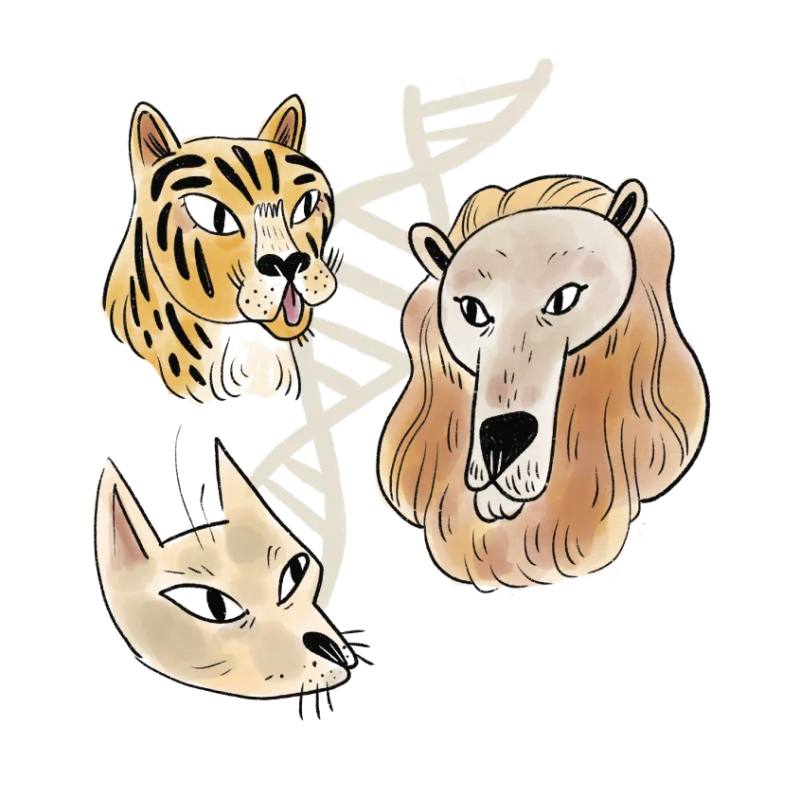
All cats share this grooming DNA evolution
From house cats to lions and tigers, all feline species share remarkably similar grooming behaviours and tongue structures. The papillae design has remained virtually unchanged for millions of years.
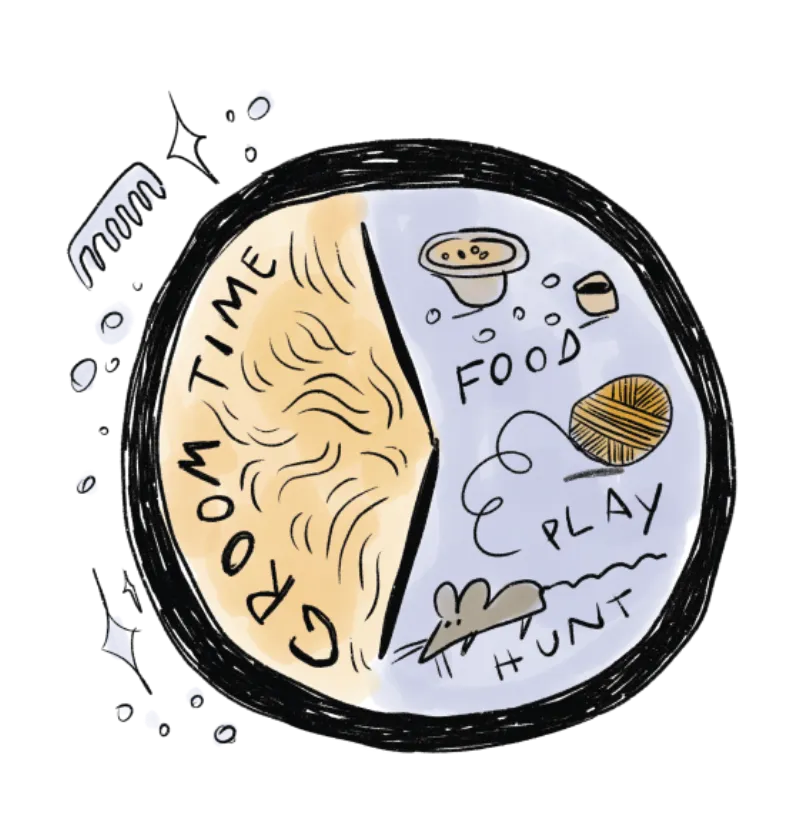
Cats dedicate half of their waking hours to grooming
This is significantly more time than they spend hunting, playing, or even eating.
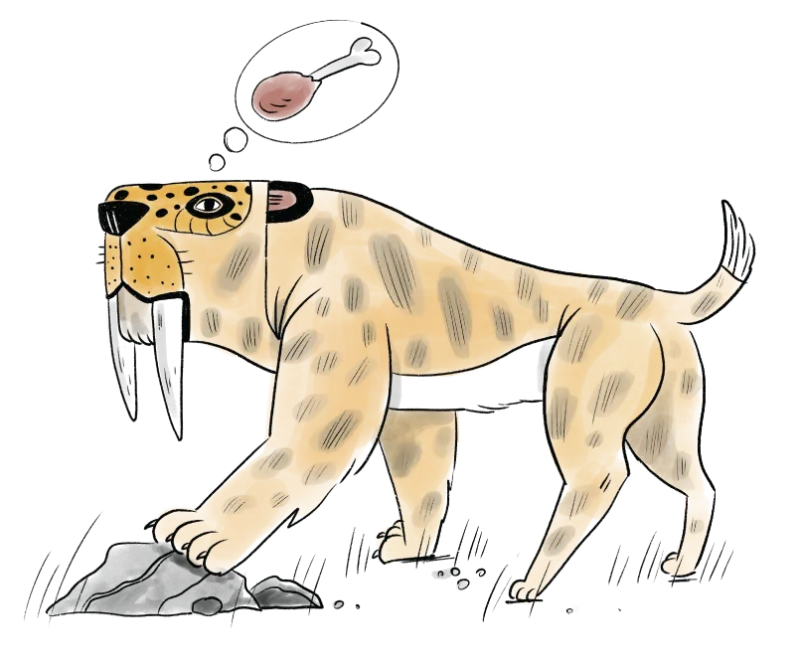
Cats’ grooming behaviour is millions of years old
Even the earliest feline ancestors from about 10–15 million years ago likely groomed themselves using similar tongue adaptations.
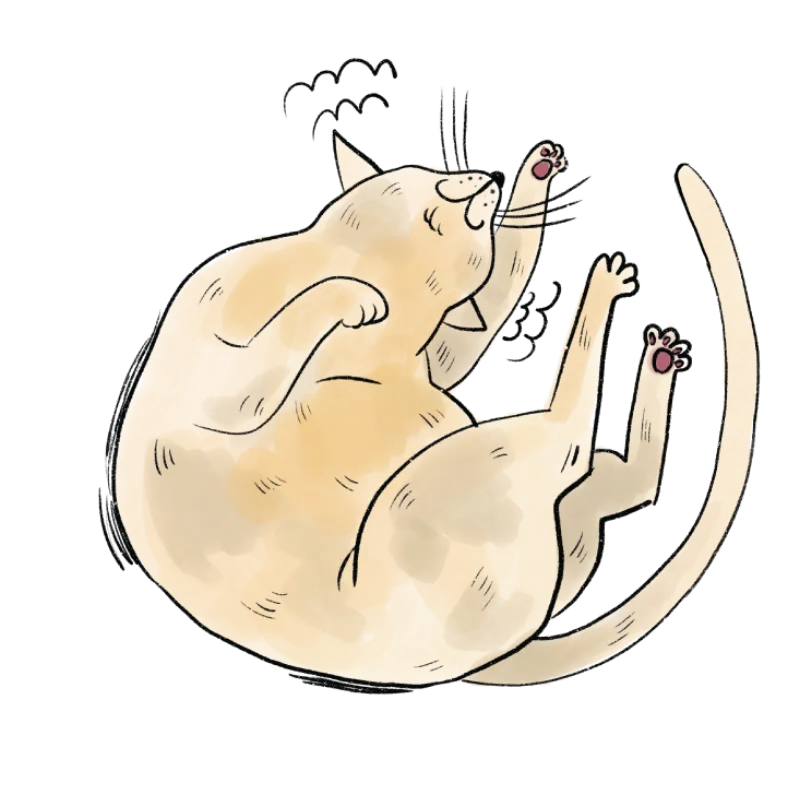
Grooming releases calming endorphins
The repetitive motion of grooming triggers the release of endorphins in cats’ brains, creating a natural calming effect.
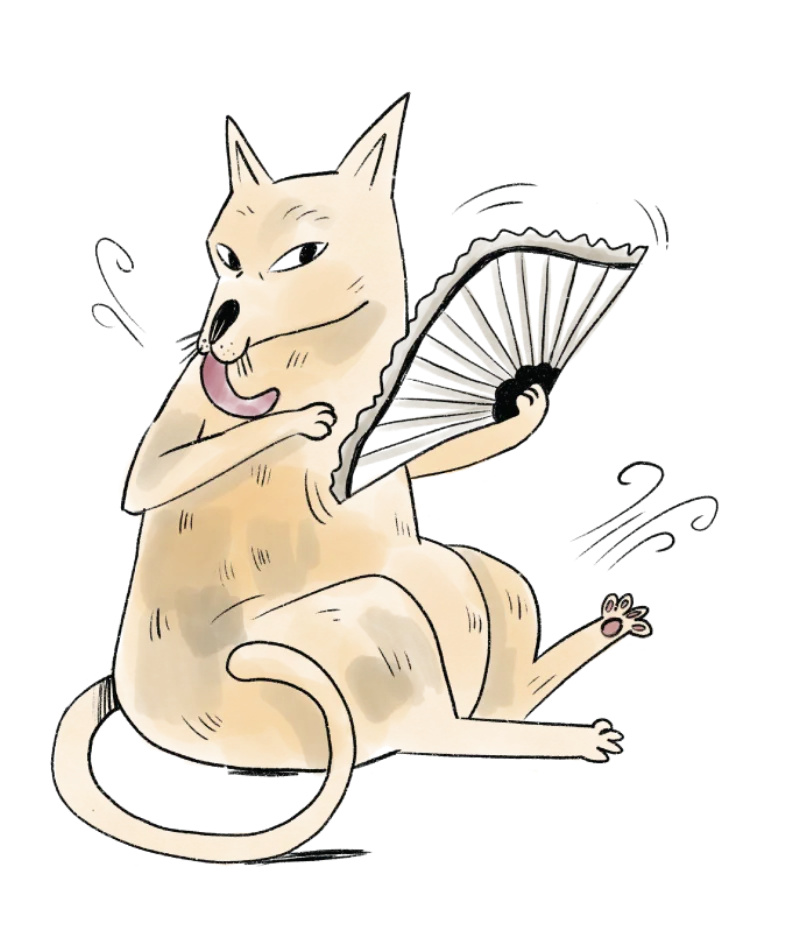
Grooming regulates body temperature
Cats use grooming as a natural air conditioning system. When they lick their fur, saliva evaporates and cools their body temperature.
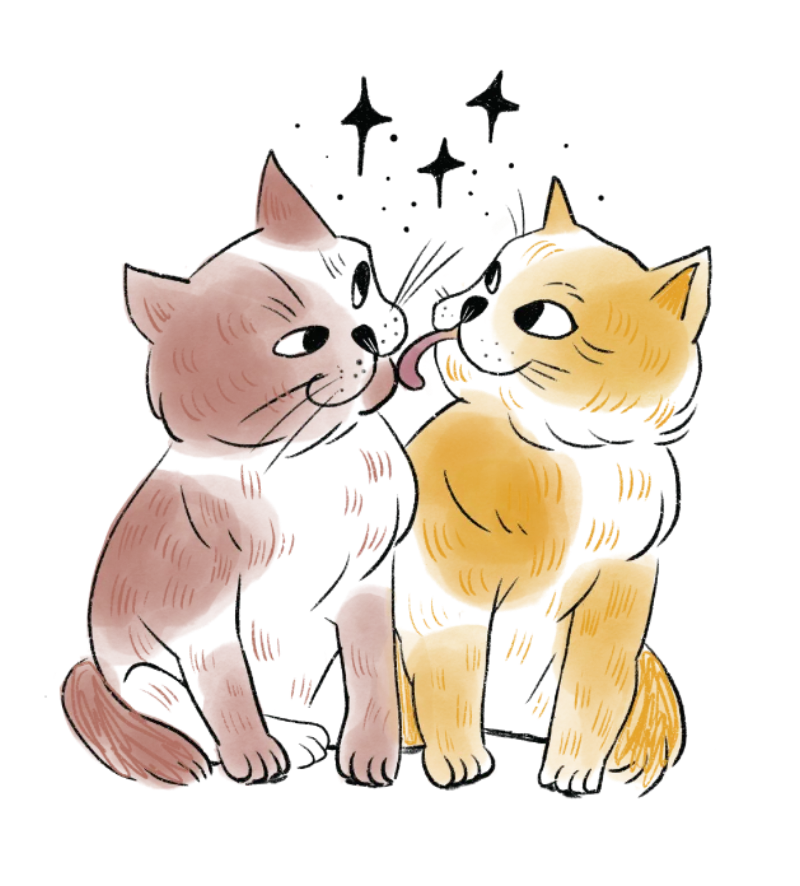
Grooming behaviour is hardwired from birth
Kittens begin showing grooming behaviours as early as 4 weeks old. This instinctive behaviour is so deeply ingrained that even feral cats maintain meticulous grooming habits.
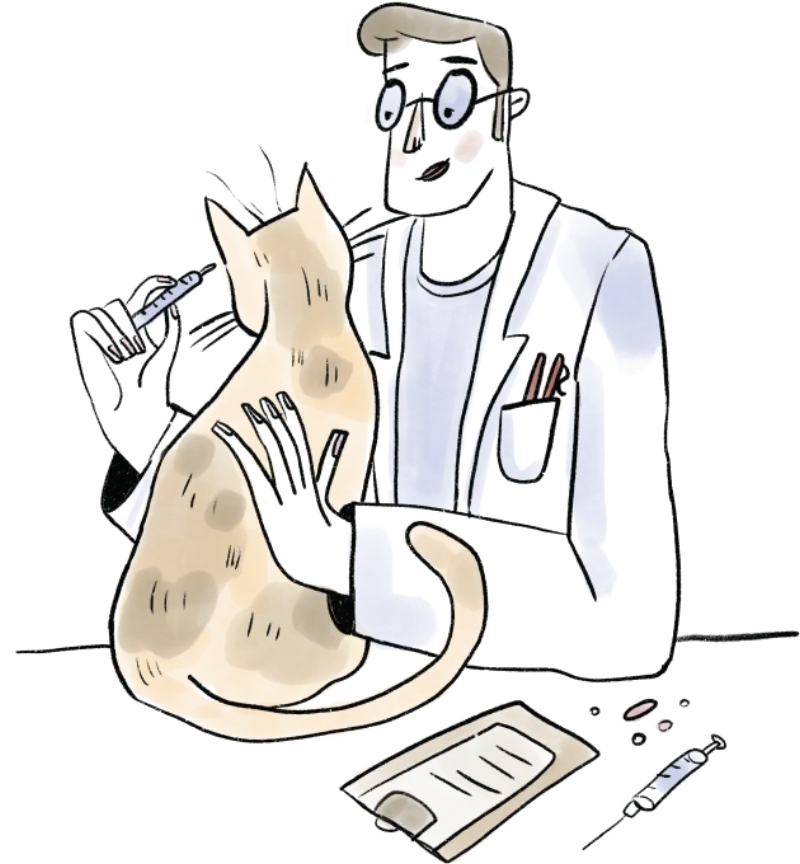
Grooming patterns indicate health status
Changes in grooming behaviour often signal health issues in cats. Decreased grooming can indicate pain, arthritis, or illness, while excessive grooming might suggest stress, allergies, or skin conditions.
Wear the index
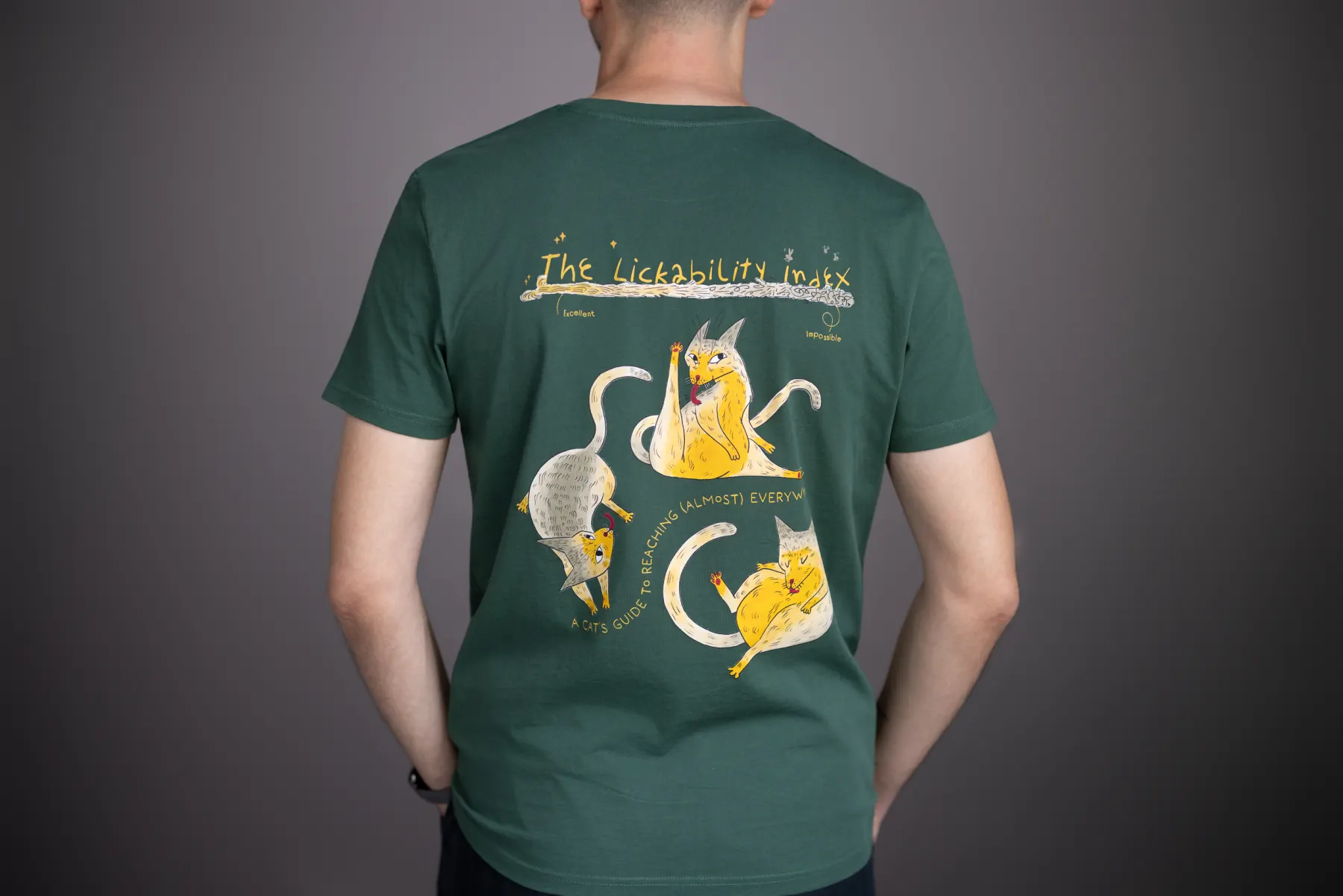
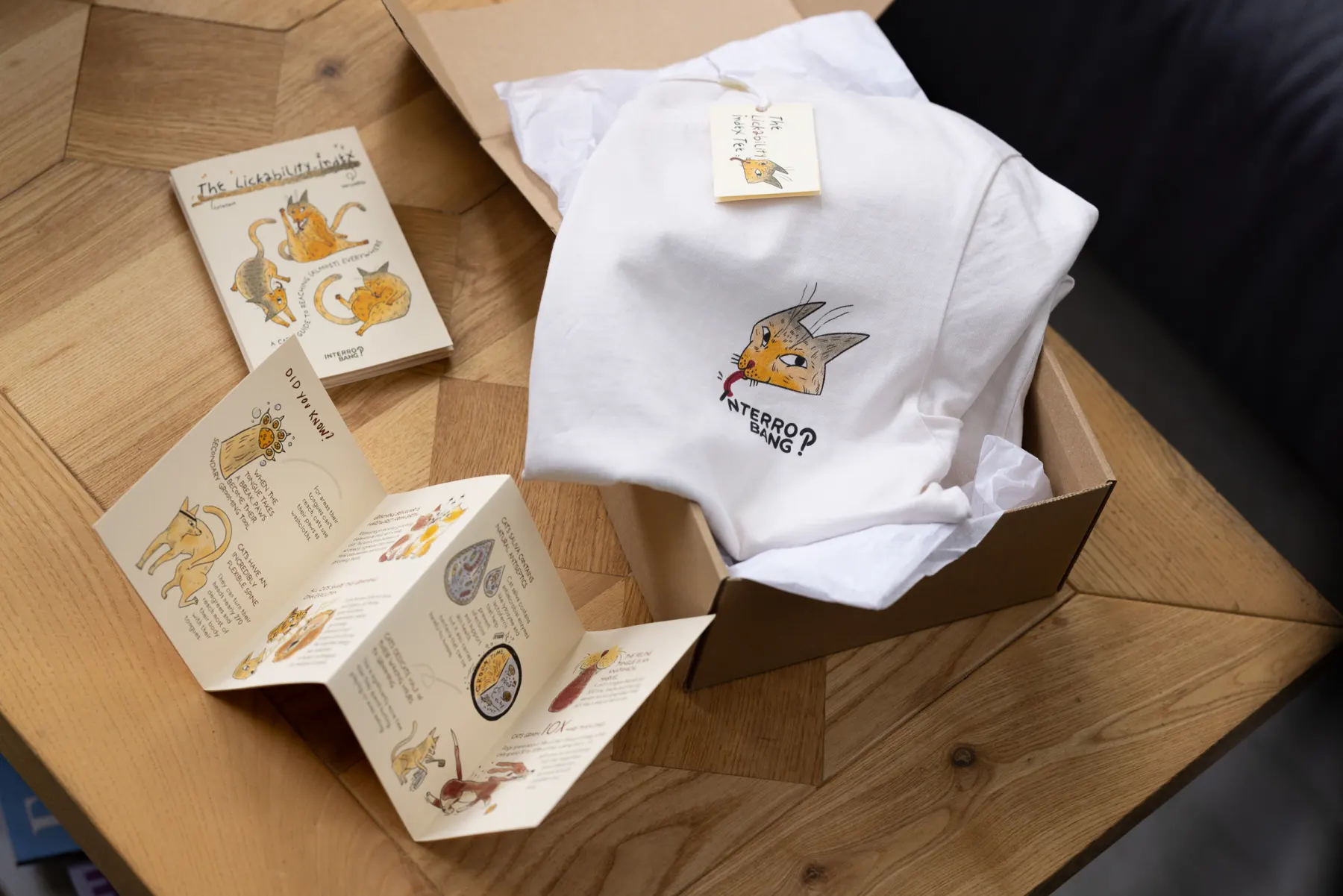
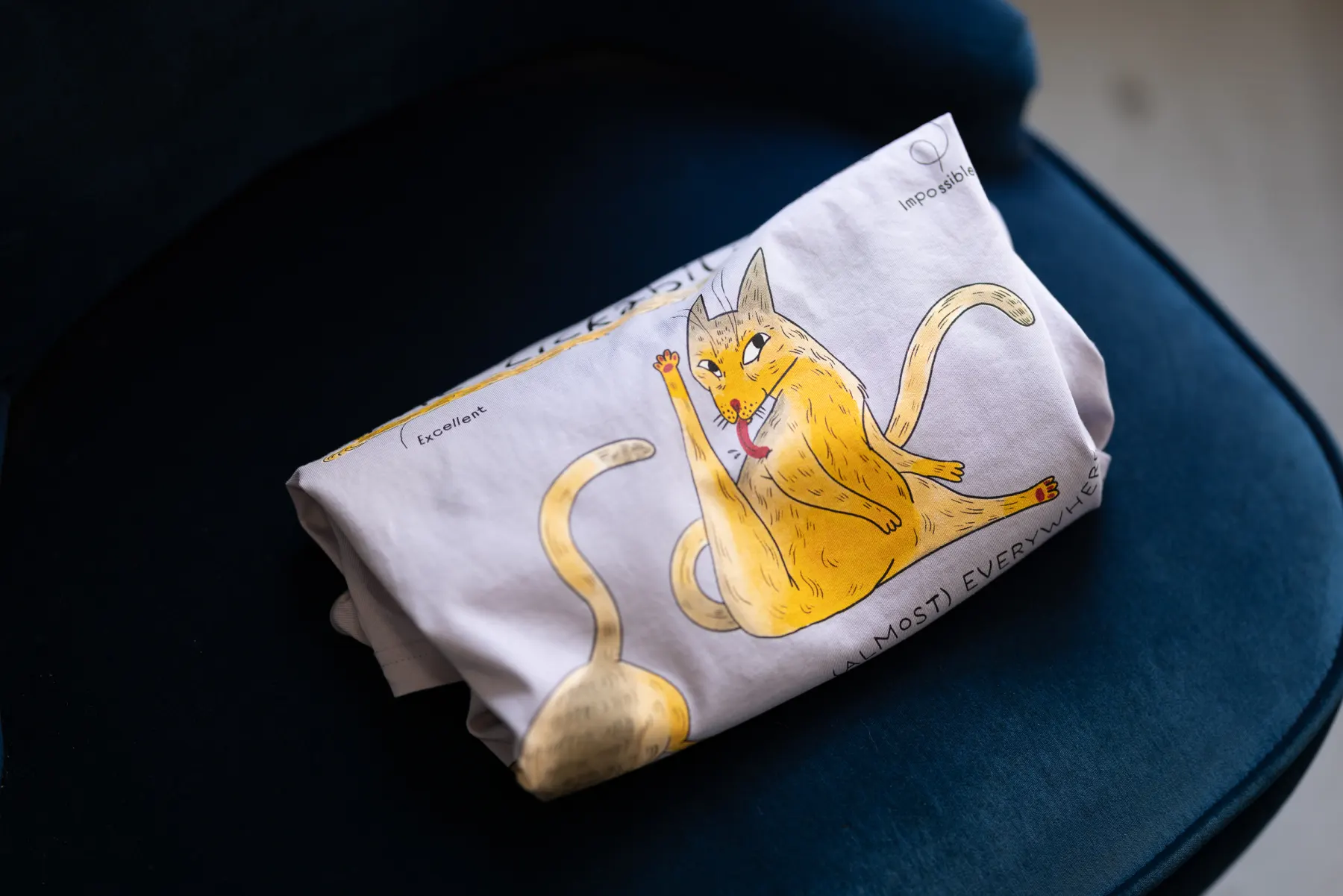
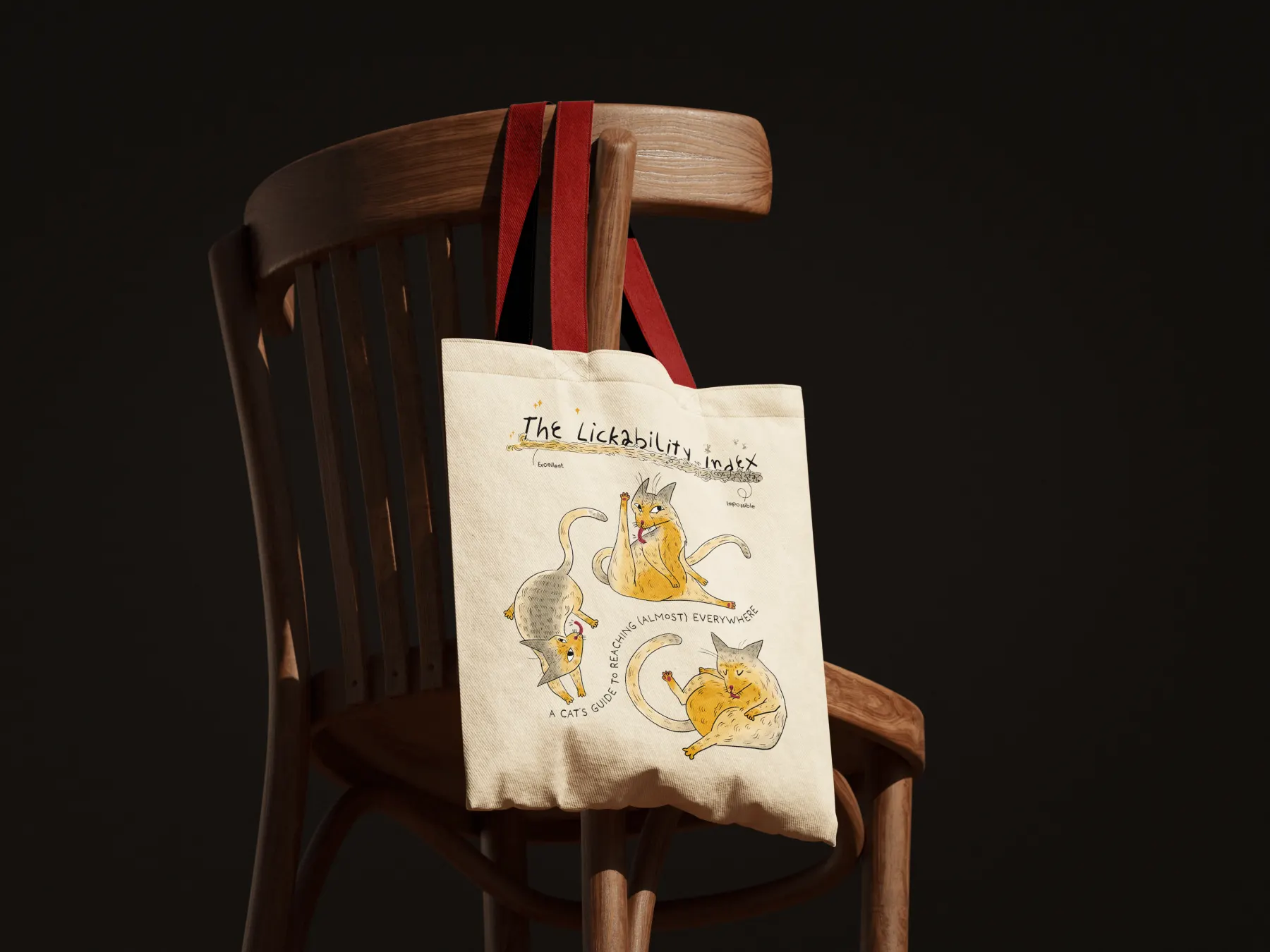
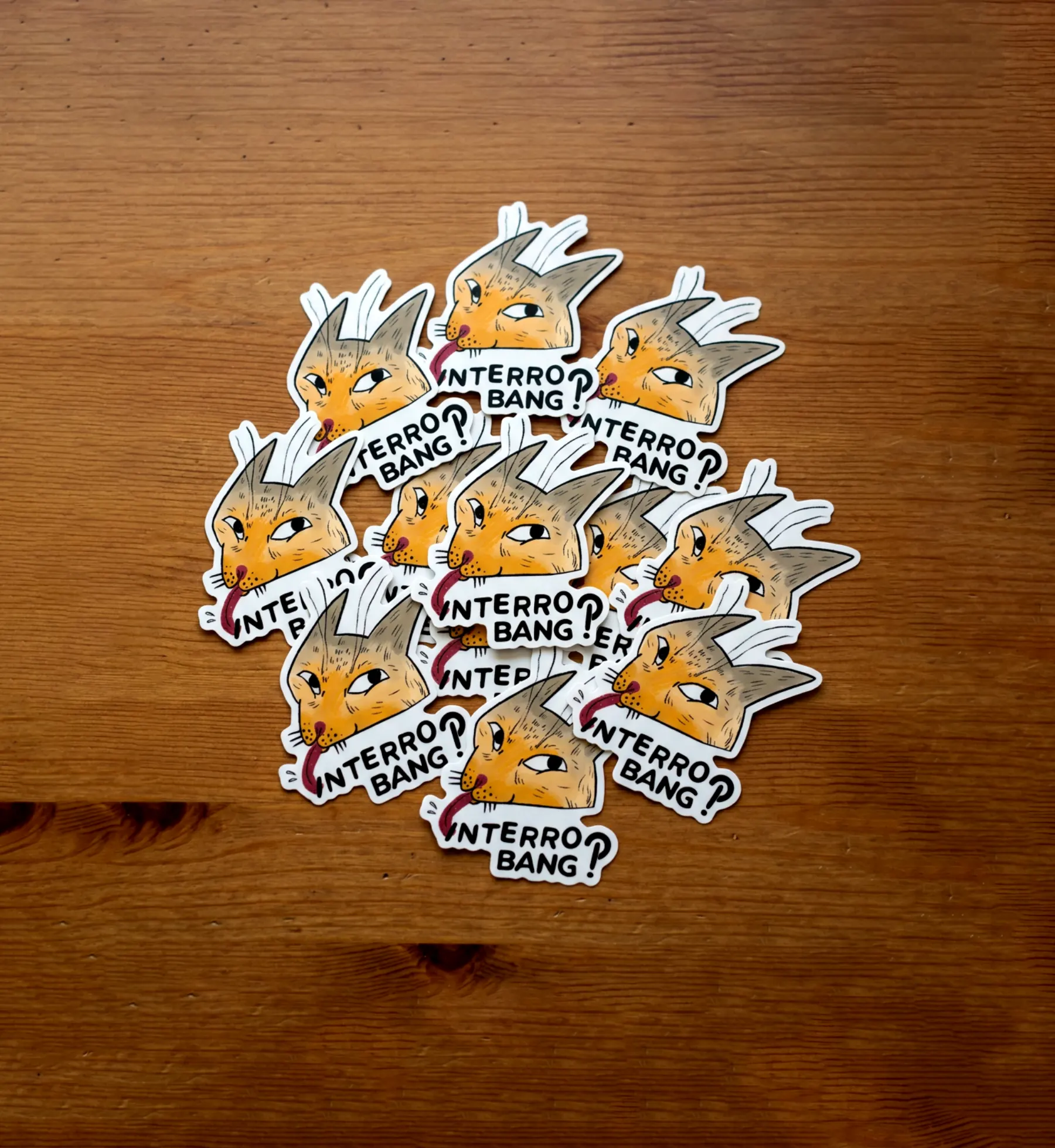
The Lickability Index left the poster: T-shirts, tote bags, stickers and a booklet, printed with the same three cats.
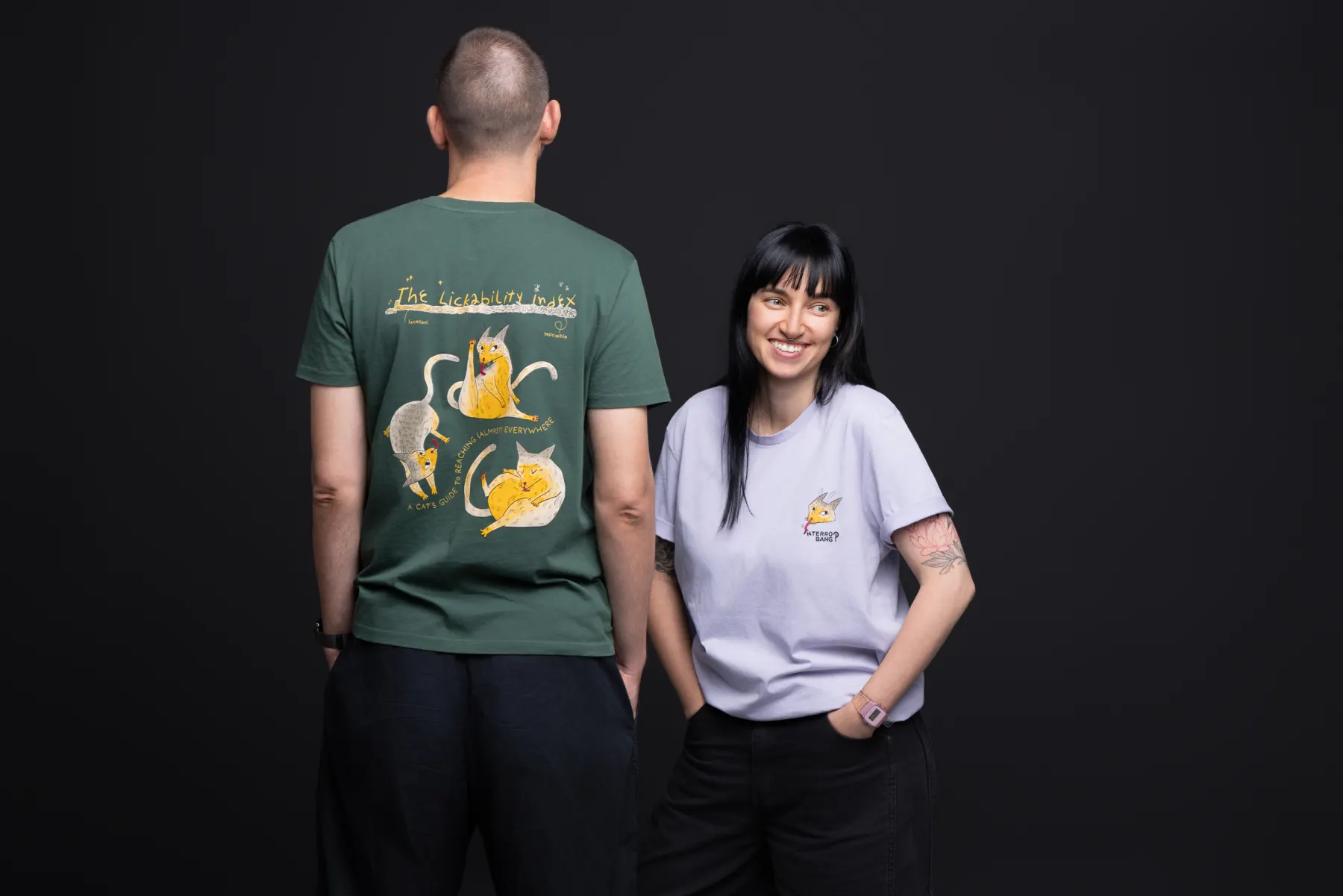

Take the cats home
T-shirts, totes and bucket hats printed with the Lickability Index. Made in small runs with our friends at Printoteca.
Shop on Printoteca